If you have been staring at the faint lines across your forehead or the fan of creases near your eyes and wondering whether Botox could help, you are in good company. Botox cosmetic remains the most requested minimally invasive beauty treatment for softening facial wrinkles, shaping brows, relieving jaw tension, and even reducing excessive sweating. Yet the first Botox appointment can feel opaque. What will it cost, how much will you need, does Botox hurt, how soon do Botox results show, and what happens if you do not like the look?
I have guided hundreds of first time Botox patients through their initial consultation and injections. The process is straightforward, but the details matter. A small adjustment in dosage, placement, or aftercare can be the difference between natural looking Botox that feels like you on your best day and frozen, heavy results you cannot wait to see wear off. Consider this a field guide to your first Botox session, written to demystify the botox procedure and set realistic expectations, from the first conversation to the two week check.
What Botox really is, and what it does
Botox is a brand name for botulinum toxin type A, a purified neurotoxin that temporarily relaxes muscles by blocking communication between nerves and muscle fibers. In aesthetics, tiny doses are placed with precision into specific facial muscles. When those muscles soften, the skin above them smooths, which softens dynamic wrinkles like frown lines, forehead lines, and crow’s feet. If you frown less deeply, the “11s” between your eyebrows do not etch as strongly. If your lateral orbicularis relaxes around the eyes, those crinkles soften.
Think of Botox as a dimmer switch for muscle movement, not spackle for skin. It will not fill deep static folds or replace lost volume in cheeks or lips. That is the territory of fillers. It can, however, strategically rebalance facial expression. A small dose under the tail of the brow can create a subtle brow lift. A carefully placed lip flip can show more of the vermilion and soften vertical lip lines without adding volume. Masseter injections can reduce jaw tension, teeth grinding, and the square look some people dislike in photographs, leading to mild facial slimming over time.
Beyond wrinkles, Botox has medical and functional uses: migraine prevention in appropriate patients, relief of TMJ-related jaw pain, reduction of excessive sweating in the underarms or palms, and control of chin dimpling or neck bands. These applications require assessment by a trained provider, often with different dosing and treatment patterns compared to cosmetic areas.
Who makes a great first time candidate
The people who love their Botox results most share three traits. First, they arrive with a clear goal, even if it is simple, like “I want my forehead to look smoother in photos, but I still want to raise my brows.” Second, they want subtle Botox, not a completely frozen look. Third, they are comfortable starting conservatively, seeing how their face responds, then dialing in the ideal dosage at a follow up.
Age matters less than muscle activity and skin condition. I treat men and women in their late 20s for preventative Botox in the glabella and around the eyes when lines are only apparent with expression. Baby Botox or micro Botox, where very small units are placed in more points, can keep lines from carving into the skin while preserving movement. In the 30s and 40s, Botox for forehead lines, crow’s feet, and frown lines often softens long standing creases for a rested look. In the 50s and beyond, Botox still helps dynamic wrinkles, but combined strategies are often needed. Static folds, volume loss, and skin quality changes respond better to fillers, biostimulators, or laser resurfacing. The best results come from matching the tool to the problem.
Some people should skip or postpone treatment. If you are pregnant or breastfeeding, most providers advise against Botox. If you have a neuromuscular disorder, discuss risks with your physician. Active skin infection, cold sore outbreak at the site, or recent facial surgery can be reasons to delay. If you are planning a major event within a week and have never tried Botox, do not squeeze it in. It is better to give yourself the full two week timeline to assess botox results and allow any small bruises to fade.
The consultation: mapping movement and setting expectations
The botox consultation shapes everything that follows. Expect to spend time making expressions while the provider studies how your muscles recruit. I will ask patients to frown, raise the brows, smile wide, scrunch the nose, purse the lips, clench the jaw, and even say words that reveal asymmetries, like “Mississippi.” Everyone’s musculature is different. Some people lift one brow more than the other, some recruit the frontalis strongly in the center but not the sides, and some smile with a lot of cheek lift that pushes the under eye area upward. Mapping this pattern helps us decide exactly where to place botox injections and how many units each point needs.
You should discuss what you like about your face as much as what you want to change. If you like a highly expressive forehead for storytelling at work, say so. If you want a botox brow lift that gently opens the eyes without a surprised look, we can plan for lighter central dosing and a touch of lift at the tails. If you grind your teeth at night and want relief, talk through masseter dosing and the trade offs for chewing fatigue in the first week.
We will also cover botox risks and botox side effects. The most common issues are temporary: pinpoint redness, mild swelling, tenderness or a small bruise. Headache can occur, typically resolving in a day or two. Rarely, toxin diffuses into a muscle you did not intend to treat, leading to droopy eyelid (ptosis) or heavy brows. This is why placement and aftercare matter. Severe adverse reactions are uncommon when dosing is appropriate and injections are performed by trained hands, but your provider should review your medical history and answer questions plainly.
Cost, pricing, and what “a unit” means
Botox cost varies widely by region, provider experience, and whether the office charges by unit or by area. In most US cities, the botox price per unit ranges from roughly 10 to 20 dollars. A typical first time treatment for the glabella alone might use 12 to 20 units. Forehead lines can take 6 to 14 units depending on muscle strength and the desire to preserve motion. Crow’s feet generally use 6 to 12 units per side. Men often need more because their muscles are thicker. A starter visit for forehead lines and frown lines together may fall in the 300 to 600 dollar range, sometimes more in high cost urban centers.
Beware of botox deals that sound too good to be true. Deeply discounted botox specials can reflect diluted product, inexperienced injectors, or rushed sessions. On the flip side, premium pricing does not guarantee artistry. Ask who is injecting, how often they treat the areas you care about, and whether the office offers a two week follow up to assess results. That check is where small touch ups happen, which is invaluable in your first round.
If you are comparing Botox vs Dysport vs Xeomin vs Jeuveau, know that each is a brand of botulinum toxin type A with slightly different proteins, diffusion characteristics, and unit equivalence. Some patients notice subtle differences in onset or duration. Many providers work comfortably with more than one brand. Your first priority should be the injector’s skill. A precise map and a steady hand matter more than the logo on the vial.
The day of your botox appointment
Eat a normal meal, hydrate, and arrive with a clean face. If you bruise easily, avoid aspirin, ibuprofen, fish oil, vitamin E, and alcohol for 24 to 48 hours beforehand, unless your prescribing doctor says otherwise. These do not prevent bruising completely but can reduce the risk. Come ready to review what not to do after botox, such as vigorous exercise right after treatment or rubbing the injection sites.
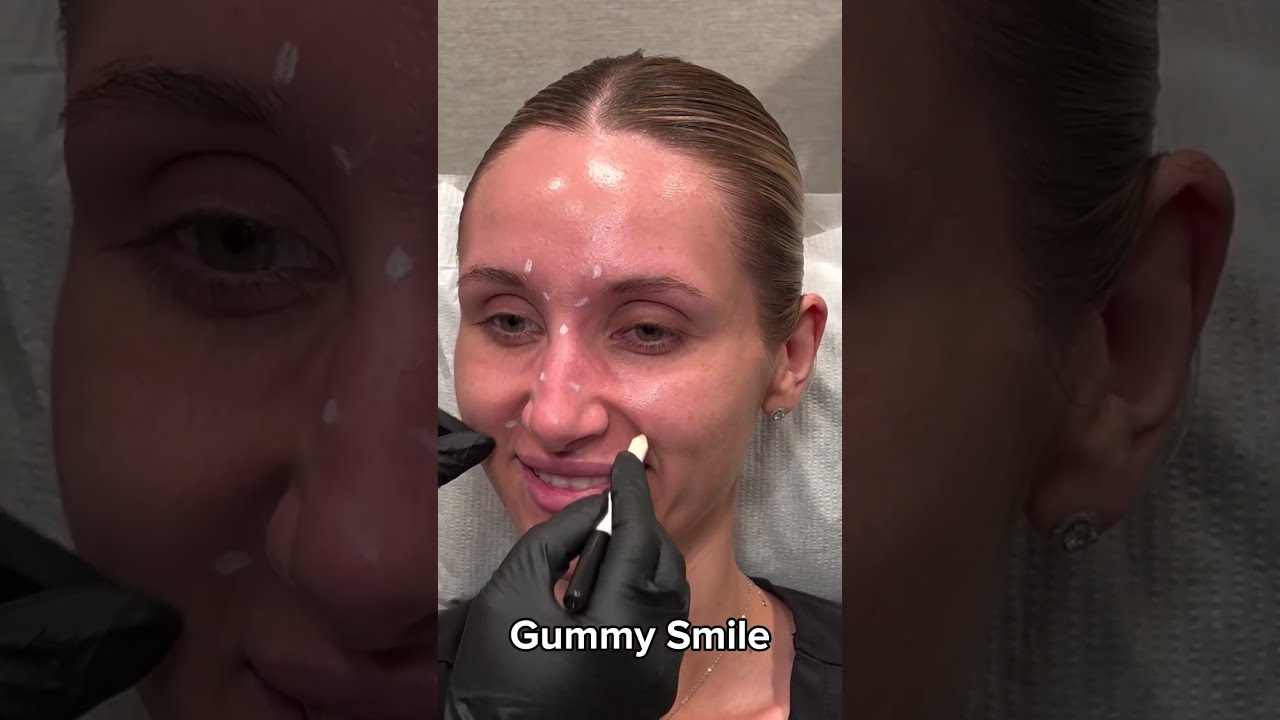
The actual botox procedure steps are simple. We cleanse the skin, sometimes mark injection points with a brow pencil, and use a fine insulin needle to place tiny amounts of Botox into the target muscles. Each injection lasts a second or two. Most people say it feels like a quick pinch, a 2 or 3 out of 10 on the pain scale. Sensitive areas like the glabella can sting more. Ice or vibration distractors help. If you are nervous about pain, topical anesthetic can be applied beforehand, though it is rarely necessary.
In a standard botox session for the upper face, you might receive a handful of injections in the frown lines, three to eight across the forehead, and several fine points around the eyes. For a botox lip flip, a few micro points are placed just above the vermilion border. For masseter reduction or jaw tension relief, larger muscles require deeper, slightly stronger injections placed with caution to avoid nearby structures. The process lasts 10 to 20 minutes for most cosmetic areas.
You will see little red dots or minor swelling at entry points that fade over the next hour. Makeup can usually be applied gently after two hours if needed, though I prefer patients leave the skin bare the rest of the day.
Aftercare that protects your result
Immediate aftercare is straightforward, but it is worth following to the letter. For the first four hours, stay upright. Do not lie flat for a nap, and avoid pressing into face cradles or tight hats. Skip facials, face massages, or aggressive rubbing for 24 hours. Postpone strenuous workouts and hot yoga on the day of treatment. Heat and increased blood flow can potentially speed diffusion, and you want the toxin to stay put. Light walking is fine. If you had masseter or platysma injections, your provider may give you area-specific tips.
You can go back to work right away, and most people look photo ready by evening. If a bruise forms, it is generally the size of a freckle and fades over a few days. Arnica or a cool compress can help. For any headache, you can typically use acetaminophen. Call your provider if you develop symptoms that concern you, especially asymmetry that appears early and severe rather than the expected transitional lopsidedness that can happen as different areas activate and relax on slightly different timelines.
The Botox timeline, from day one to two weeks
Botox results do not appear instantly. You may notice the first hint of muscle relaxation at 24 to 48 hours, but the more common arc goes like this. Somewhere around day 3 to 5, frowning feels harder. A forehead that used to crinkle like an accordion, now rises with fewer creases. By day 7, the effect is clear. By day 10 to 14, the full smoothing has settled in. This is why the two week check matters. At that point, we can address any minor asymmetry, adjust brow shape, or add a tiny touch up dose if a strong muscle resisted the initial plan.
Expect expressions to feel different. When the glabella relaxes, you may notice a sense of calm across the brow, fewer tension headaches, and less unconscious frowning when you read emails on your phone. With a lip flip, sipping from a straw might feel unusual for a few days. With masseter dosing, chewing fatigues a bit in week one, then normalizes. These shifts indicate that botox muscle relaxation is doing its job.
How long does Botox last, and when to get it again
Botox longevity depends on the area, your metabolism, how often you move those muscles, and the dosage. Most cosmetic treatments last about three to four months. Crow’s feet often fade sooner, while glabella tends to hold a little longer. Some patients stretch to five or six months, especially after repeated sessions as the muscle atrophies slightly. Others notice botox fading signs at the 10 to 12 week mark, particularly athletes, fast metabolizers, or those who prefer very light dosing.
A practical botox maintenance rhythm for most people is three to four times per year. If you like preventative Botox, smaller baby Botox sessions every three months keep the face moving naturally while limiting line etching. Your provider can help you choose a botox touch up interval that matches your goals. If you are trying to train yourself out of certain expressions, two to three consecutive cycles with consistent dosing often help.
Natural looking results and common myths
Natural looking Botox is not an accident. It comes from a conservative initial plan, a provider who respects your unique anatomy, and your willingness to speak up about what you want to keep as much as what you want to soften. The aim is subtle Botox that makes friends ask if you slept well, not if you switched faces.
A few botox myths crop up in nearly every consult. Botox will not make you puffy. That is a filler issue when overdone or misused. Botox does not age you faster. If you stop, movement simply returns and lines may reappear at a pace similar to your baseline. Botox is not addictive in a pharmacologic sense, but people grow fond of a smooth brow. You cannot meaningfully “reverse” Botox once injected, though small tweaks can balance an unwanted effect. If Botox gone wrong occurs, we can mitigate it with targeted dosing elsewhere, skincare, and time. It always wears off.
Botox vs fillers, and when to combine
Botox and fillers solve different problems. Botox quiets muscle movement. Fillers like hyaluronic acid restore lost volume, contour, and fill static wrinkles that sit there even when you are not moving. Ann Arbor, MI botox clinics Deep nasolabial folds, flattened cheeks, or thin lips call for filler. Forehead lines that appear only with a raised brow respond to botox. Sometimes the two together accomplish what neither alone can. A botox brow lift paired with a touch of filler to the temples can open the eye area beautifully. A lip flip plus subtle filler can define the border and enhance shape without an overfilled look. If you consider botox and fillers together, sequence matters. Often, Botox first, then filler two weeks later, so you can see how much of the line improves with muscle relaxation.
Special use cases: migraines, sweating, jawline, and neck
Botox for migraine relief follows a medical protocol that targets multiple sites across the forehead, temples, back of the head, and neck. It is not the same pattern as cosmetic botox for forehead lines, and dosing is higher. Patients often see benefit after several cycles. For hyperhidrosis, botox for excessive sweating in the underarms or palms can cut sweat dramatically for 4 to 6 months, though the injections are more numerous and can sting. In the lower face, botox for masseter reduction eases TMJ and teeth grinding while slimming the lower third of the face over several months as the muscle de-bulks. For vertical neck bands, strategic botox for neck bands softens the platysma, refining the jawline in select candidates. These are powerful tools, but they require precise technique and a thorough intake.
How much Botox do you need
Unit numbers vary. As a broad sense, a conservative first time plan might look like 12 to 20 units in the glabella, 6 to 12 in the forehead, 6 to 12 per crow’s foot, 4 to 8 for a lip flip, and 20 to 40 per side for strong masseters. Men often need 15 to 30 percent more. Preventative botox and baby botox plans use the low end of ranges, spread across more points for a soft, airbrushed effect. If you are nervous, start at the lower end. It is easier to add at a two week touch up than to sit with a heavy forehead.
What not to do after botox, and normal side effects
Expect a few pinprick marks and possible small bruises. Swelling is minimal and fades by evening. Headache is possible, especially after first treatments. Mild eyelid heaviness in the first week can reflect the balance of dosing between the glabella and forehead. If you used a lot of frontalis to hold your brows up, that habit changes when the muscle relaxes. Most of the time, this settles into a natural look within days as you stop unconsciously lifting. True eyelid ptosis, where the lid itself droops, is rare and usually reflects product diffusion near the levator muscle. If it happens, call your provider. There are temporary eye drops that can help until the effect fades.
Avoid aggressive exercise, saunas, or hot tubs the day of treatment. Do not press, massage, or wear tight headbands over injected areas for at least 24 hours. Skip facial treatments and microcurrent for a week. Sleep on your back the first night if you can. Makeup is generally fine after a couple of hours, applied gently.
How to prepare, what to expect, and how to get the best results
Here is a brief checklist you can actually use before and after your first appointment.
- Two to three days before: if safe for you, pause nonessential blood thinners like fish oil and high dose vitamin E. Avoid alcohol the night before. Day of: arrive with a clean face, hydrate, and have a small meal. Bring a photo or two that shows how your lines look at their worst. Immediately after: stay upright for four hours, skip strenuous workouts, and avoid rubbing the sites for a day. Days 3 to 14: expect progressive smoothing, minor tightness, and occasional brief headaches. Book or attend your two week follow up. Ongoing: schedule your next session at around three to four months, earlier if you prefer very smooth, later if you like more movement.
How fast does Botox work, and what does “after one week” look like
By the end of week one, most people see 60 to 80 percent of the botox effect. The brow furrow that used to appear while reading is muted. Crow’s feet still twinkle when you smile, but the spikes are shorter and fewer. If you look at botox before and after photos side by side, the after shows smoother skin texture and a calmer look around the eyes. After two weeks, the effect is fully obvious. If a line still shows at rest, it may be a static crease that needs complementary care like laser resurfacing, microneedling, or, in deep grooves, a touch of filler. Pairing approaches strategically is how you get the best botox results without chasing doses higher than necessary.
Safety, long term use, and when to pass
Is Botox safe When administered correctly by a trained medical professional, botox cosmetic has an excellent safety profile built on decades of use. Side effects are generally mild and short lived. Long term use can be safe as well, with many patients maintaining treatments for years. Muscles can soften over time, which many people see as a benefit because it means fewer lines and sometimes longer intervals between sessions. If you take long breaks, movement and lines return toward baseline.
There are scenarios where I advise waiting. If a client is fixated on a perfectly smooth forehead with zero motion, but also wants a very lifted brow and no risk of heaviness, expectations need a reset. Biology puts some constraints on the system. If someone seeks Botox near me primarily based on price and is willing to accept rushed care, I encourage them to reconsider. A calm, careful session with a thoughtful injector pays dividends for months.
Fixing problems and learning from them
If you end up with bad botox, do not panic. Most issues are fixable or fade quickly. If one brow arches like a villain, a tiny countering dose can relax the overactive fibers and restore balance. If your lip flip feels too strong and sipping from a straw is impossible, it usually softens within 7 to 10 days. If you have a droopy lid, it improves as the weeks pass. Keep open communication with your provider. Good documentation from the first visit helps tweak the map for your next round. I keep detailed notes on units per point, injection depths, and patient feedback like “likes higher lateral brow,” or “sensitive to heaviness.” Over a couple of cycles, we dial in a recipe that suits your face.
Alternatives and adjuncts if you are not ready
If you are not ready for injections, there are botox alternatives that can moderately help. Prescription strength retinoids, diligent sunscreen, and peptide or growth factor serums improve skin quality and soften fine lines. Energy based devices like radiofrequency microneedling stimulate collagen for overall firmness. Facial yoga can teach you to relax a chronically overactive glabella. None replicate the targeted muscle relaxation of Botox, but a strong skincare foundation makes every in office treatment look better and last longer.
Choosing the right provider
Credentials and experience matter. For first time botox, prioritize clinics with a strong consult culture and transparent follow up. Ask how often they treat the areas you care about, how they prevent complications, and what their policy is for touch ups. Look at authentic before and after photos of botox for forehead lines, crow’s feet, and frown lines in faces similar to yours. Browse reviews, but also trust your gut in the room. You should feel heard, not rushed. A good injector will explain the botox dosage plan in plain language and invite your input on how much movement to leave.
The quiet confidence of a good result
A few weeks after your first treatment, you may forget you did anything at all. That is often the point. Your makeup sits better. Photos look kinder. Strangers do not know why you seem well rested. You still look like yourself, just with less static and fewer unintentional scowls during deep concentration. That is the essence of botox beauty treatment at its best. It is not drama. It is subtle recalibration.
For those who want a touch more, maintenance is simple. For those who want to stop, nothing locks you in. The botox effect duration runs its course, and your expressions return. If you treat the process as a conversation with your face rather than a one time event, your first appointment becomes the start of an informed routine. Done thoughtfully, Botox can be a reliable, low drama tool in your broader rejuvenation plan, one that plays well with good skincare, smart sun habits, and selective filler when needed. Your job is to show up with clarity about your goals. Ours is to listen, map carefully, and deliver a result that feels like you, just a little more relaxed.